“hand pulping” search results (900)

What is the process of processing coffee fruit into coffee beans
1, choose beans: put the harvested fruit in a water tank and soak for about 24 hours. At this time, ripe fruit will sink, while immature and overripe fruit will float up and can be removed. 2. Remove the pulp: use a machine to remove the skin and pulp, leaving only the coffee beans wrapped in the endocarp. At this time, there is a layer of mucous membrane on the outside of the beans, and the process of washing is to wash this.
2016-06-07 Coffee fruit processing coffee beans need what process bean selection harvest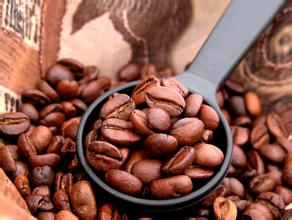
How to judge the classification, quality and taste of coffee beans
a. Washing type / non-washing type: in the sink, after rubbing with water and utensils, the pulp and gum are removed and dried, which is called washed coffee beans with uniform quality. Non-washing type: after the sun is naturally dried, the pulp and peel is removed by a sheller, and its quality is unstable. b. The fruit of flat bean / round bean coffee is made up of two oval seeds opposite each other. The connected side
2016-01-20 Coffee beans specifications grades how judgment classification quality taste good or bad
Coffee Bean Processing
Natural drying method Coffee refining process Coffee cherries (coffee cherries) Selection and treatment of green beans Harvesting sun field (sun exposure) Shelling machine (removal of pulp, etc.) Electronic bean sorter or wind bean sorter (hand)
2014-07-04 Coffee knowledge Coffee bean processing Coffee encyclopedia
Japanese hand-washed filter paper 101 trapezoidal filter cup coffee filter cup special coffee unbleached filter paper
Original imported from Japan, environmentally friendly log pulp manufacturing. It is a good choice for three-hole trapezoidal filter cup.
2016-01-19 Japan flushed filter paper 101 trapezoid filter cup hand flushing coffee special bleaching
Make a good cup of coffee by yourself. The hand brew pot electronically weighs the water temperature essence of the hand brew suit to brew coffee.
How to brew a cup of coffee by hand? Make a cup of coffee and prepare coffee utensils: hand pot, electronic scale, hand set (filter cup, filter pot), thermometer, hand grinder 1, grinding coffee beans 20g moderate grinding, grinding particles slightly thicker than granulated sugar 2, soaking filter paper this step is to remove the smell of pulp 3, pour
2016-07-08 By yourself hands-on brewing one cup coffee hand pot electronics hand flushing suit water temperature
Treatment of nutty coffee and red wine-how many treatments are there for coffee
Sasa described in the competition: select Rume Sudan from Las Nubes, Colombia, put the coffee fruit in a sealed metal container for anaerobic fermentation, and purposefully control the pH value of the fermentation process, the type and number of bacteria involved in the fermentation and other variables. The processor injects carbon dioxide into the container to prevent oxidation from producing volatile acid.
2016-10-17 Fruity coffee red wine handling how much
Sagebrush Coffee takes you to choose Coffee beans Coffee basic knowledge
How to pick out the outstanding coffee beans from the variety of coffee beans in the forest? This is perhaps the biggest confusion when you stand in front of the container. Every serving of coffee beans is very attractive to the naked eye. Sagebrush Coffee brings you to see who is the really good bean! Choose fresh coffee beans. When buying, pay attention to whether the color of the beans and the size of the particles are the same, outside the good coffee beans.
2015-08-12 Coffee take you pick coffee beans basics common sense
Ten types of defective beans
Before selecting defective beans, raw beans need to be screened in order to make the beans uniform in size. You can use three different sizes of special custom screen, or you can use the metal screen sold in general horticultural shops, but pay attention to the size. The purpose of sieving is to separate the size of beans and remove impurities. The next step is hand-selected. In order to improve the efficiency of hand selection, some props must be used, including
2014-09-18 Defective beans raw beans coffee beans fine beans
Introduction to the Grade characteristics of Ethiopian Yega Xuefei Coffee beans description of the sour taste of hand-made Yega Coffee
Yirgacheffe coffee raw bean is one of the most distinctive coffee in the world. It is rare and expensive. It is produced in the plateau of Ethiopia's sidamo province, which is 4000 feet above sea level. It is an outstanding representative of African washed coffee, with unique citrus and lemon water.
2023-03-05 Coffee knowledge Yega snow coffee coffee encyclopedia coffee
Introduction of Ten types of defective beans
Before selecting defective beans, raw beans need to be screened in order to make the beans uniform in size. You can use three different sizes of special custom screen, or you can use the metal screen sold in general horticultural shops, but pay attention to the size. The purpose of sieving is to separate the size of beans and remove impurities. The next step is hand-selected. In order to improve the efficiency of hand selection, some props must be used, including
2014-07-22 Defective bean types coffee knowledge coffee encyclopedia
Kinds of defective beans
One of the most important factors affecting the quality of coffee is defective beans. The number of defective beans also affects the grade of coffee. For example, the coffee evaluation method used in Brazil is the "deduction method", which is graded according to the number of defective beans in 300 grams of staple beans per gram.
2014-07-15 Coffee knowledge defective beans types of coffee beans
It takes 6 to 9 months from fruit to maturity of coffee tree, and the harvest season must be dry season.
(1) the seedling stage is the period from the germination of seeds (or cuttings or grafting) to the emergence of seedlings (the stage of raising seedlings in the nursery), about 0.5-1.5 years. After the coffee seeds were sown, the cotyledons began to be unearthed after a period of germination, which took about 30-100 days, and the length of time was closely related to temperature and humidity. Cotyledons must be removed after germination
2016-10-18 Coffee fruit ripening need 9 months harvest season certain dry
Seven factors affecting hand-brewed coffee
When the bean has a good variety, planted in the area most likely to breed fragrant elves, with different elevations, soils, microclimates, and the careful care of coffee farmers, it thrives and is fruitful. BUT! Not all red fruits can become a boutique coffee bean! Today, let's talk about what kind of experience this magical fruit has to go through before it can become a boutique.
2016-08-22 Influence hand brewing coffee seven factors this one possession fine variety planting
Life Journey of Coffee Tree
Coffee, as a perennial evergreen shrub or small tree of Rubiaceae, is a horticultural perennial cash crop. The life of a coffee tree is generally divided into these stages: (1) the seedling stage is the period from the germination of seeds (or cuttings or grafting) to the emergence of seedlings (the stage of raising seedlings in the nursery), about 0.5-1.5 years. After the coffee seed is sown, after a period of time
2016-08-16 Coffee life journey coffee as grasses perennials evergreens shrubs trees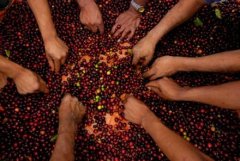
High-quality coffee beans knowledge coffee ten kinds of defective beans
One of the most important factors affecting the quality of coffee is defective beans. The number of defective beans also affects the grade of coffee. For example, the coffee evaluation method used in Brazil is the deduction method, which is graded according to the number of defective beans in 300 grams of staple beans per gram. For example, coffee is hand-selected, so successful hand-selection is also necessary to have a comprehensive understanding of the types of defective beans.
2015-01-08 Boutique coffee beans knowledge coffee top ten defects types quality important
Ten kinds of defective beans in Coffee
One of the most important factors affecting the quality of coffee is defective beans. The number of defective beans also affects the grade of coffee. For example, the coffee evaluation method used in Brazil is the "deduction method", which is graded according to the number of defective beans in 300 grams of staple beans per gram.
2014-06-04 Coffee knowledge coffee bean classification defective beans
How to make coffee by hand
Question 1: Why don't you put a weight under your filter when extracting coffee? Answer: If you want to weigh, you need to know the purpose of weighing. The premise of weighing is to know the baking degree and baking time of your beans, and the taste to be reflected. Under this premise, adjust the grinding degree, water temperature, water injection speed and method, extraction time, and finally extraction.
2016-03-17 hand brew coffee learning teaching problem solving method asking
The fruit of coffee tree is picked. Introduction to the process of how to make coffee.
In the washing type, the harvested fruit is poured into the sink, the floating matter is removed, the fruit in the water is moved to the pulp removal machine, the outer skin and pulp are removed, and then put back into the tank to remove the floating matter, the core in the water is poured into the fermentation tank, soaked for half a day or one day, the colloid on the surface of fermented beans is removed, washed, dried or mechanically dried, and the endocarp is removed on the sheller to form commercial raw coffee beans.
2016-10-20 Coffee tree fruit really coffee beans how to make process introduction washing harvest
Washed Coffee in Sigri Farm
Sigri Plantation is located in the Papua New Guinea highlands. Growing conditions here are well-suited for coffee: about 5200 feet above sea level, with a cool climate and plenty of rainfall. Sigri Farm is located in Papua New Guinea, where the environment is very suitable.
2014-07-03 Coffee knowledge washing method coffee bean treatment coffee encyclopedia
Introduction of Ten types of defective beans in the Common sense of Fine Coffee
Before selecting defective beans, raw beans need to be screened in order to make the beans uniform in size. You can use three different sizes of special custom screen, or you can use the metal screen sold in general horticultural shops, but pay attention to the size. The purpose of sieving is to separate the size of beans and remove impurities. The next step is hand-selected. In order to improve the efficiency of hand selection, some props must be used, including
2015-04-17 Boutique coffee common sense top ten defects types introduction